Italiano
 English
 Français
 Deutsch
From minimalism to metal design, luxuries resistant to the fashions of the times |
| There are style trends that never set, overcoming barriers imposed by time, which for various human factors are cyclically influenced by history. |
|
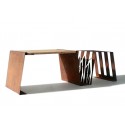
For example, when it comes to interior design trends, a color like black will always be a predominant tone to use. If applied to furniture, as in coverings, self-supporting panels, planters or even stairs, even simple black calamine steel, with a light coat of transparent surface paint, is a design material with a great impact. Shades like dark woods are other examples of shades preferred by the world of luxury, which we can talk about parquet or modern materials with a digitally printed surface finish and in ceramic material, such as stoneware or klinker. The dark colors applied to the floor give a strong visual effect offering an elegant character to the environment.
The color Gold, of special modern paints and even better if of the precious and timeless natural Brass, matt satin or mirror polished, are elements that give light to the environment and come in perfect contrast with the black of the iron, the warm brown of the floor or any frames in Corten steel plates. These applications are a must – have, always been present in the world of coatings. From industrial buildings to apartment to large white stone walls of ancient structures, these solutions are luxury for the fashions of each decade. The coating, without occupying the entire surface of the white stone wall, could represent a way to alternate its optical rendering, playing with different materials. Continuing our short journey through luxuries and design styles resistant to the waves of time, minimalism represents another theme that has always entered the rooms of architects and interior designers and in cyclical phases. The last 10 years have certainly been strongly characterized by this style, which extremes concepts such as the use of geometric lines and neutral color palettes. The spread of these architectures in the last 10 years, and perhaps more, has also depended on the contrast that art has always posed to economic times, characterized in recent years by severe financial crises, resulting in a desire for greater sobriety, even for the houses of the wealthiest.
Geometry and design obviously go hand in hand. Architects and designers prefer geometric designs because they can be easily adapted to a room, regardless of style. As for lighting, the most common aspect is that geometric products take advantage of clean lines and elegant materials that can sometimes have a more minimal aesthetic. When it comes to luxury, the materiality of some products overcomes the barriers of time caused by years of cultural and economic social changes. Even female design, even more specifically, is represented by classic canons of beauty, stylistic elements and shades of color that offer the public mood boards that are never out of fashion. Associations of pink tones, which we see again in the insertions of natural copper or bronze, such as the addition of copper green or emerald green elements (which have also been used a lot in the last two years) as well as golden details in brass with a slightly vintage touch, as well as sinuous furnishings, with irregular geometries, are excellent examples of rules for the sense of femininity and luxury of a project.
|


Articoli Correlati
- Pensiline Fotovoltaiche per aziende: la soluzione smart per energia e spazio
- Tendenze design 2026: la rivoluzione degli interni tra metallo e autenticità
- Pensiline fotovoltaiche in corten: design ed energia e contributi fino al 65% per le aziende
- Case in acciaio: il futuro dell'architettura tra design e sostenibilità
- Facciate ventilate e rivestimenti in lamiera metallica