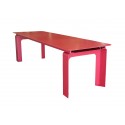
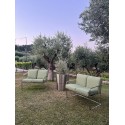
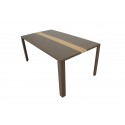
This technology is used in various sectors, including industry, architecture, urban planning and navigation, to construct buildings, stairs, windows, parapets and other metal works.
There are two main categories of metal carpentry:
• Heavy metal carpentry: used for load-bearing and large structures, such as buildings, walkways and canopies
• Light metal carpentry: characterized by the use of thinner sheets to create resistant, lightweight and uniquely designed products, such as railings, movable partition walls, windows, doors, shelving and walkways.
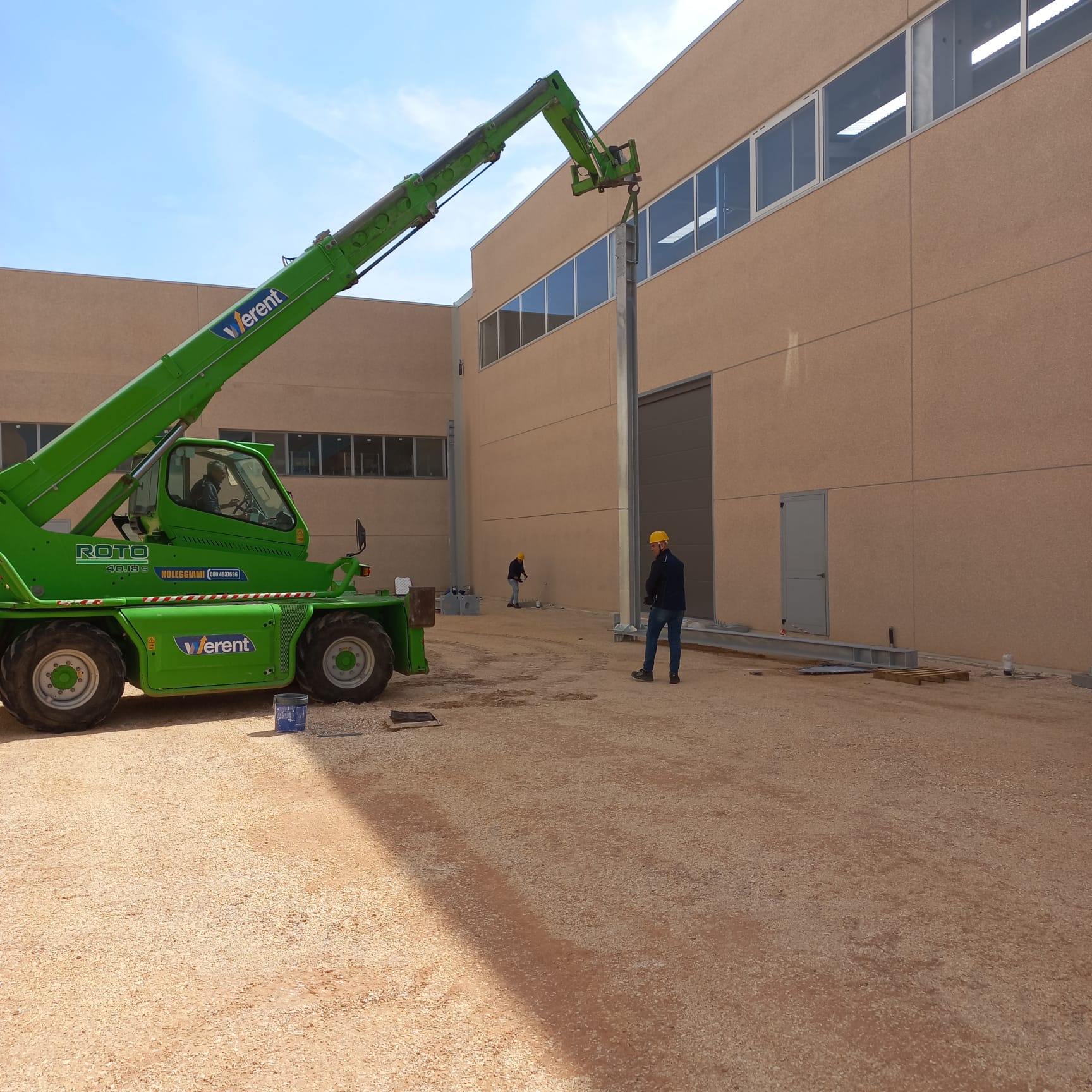
NWe are specialized in the construction and production of steel carpentry and in their assembly throughout the national territory.
The design of a steel structure is a complex process that requires specific knowledge and follows certain phases and regulations.
1. Preliminary Analysis: Understand customer needs, site context, environmental conditions and local regulations.
2. Structural Concept: Define the overall structural configuration, choosing the type of structure (e.g., frame, shell, etc.) and materials.
3. Calculations and Sizing:
• Use principles of physics and mechanics to break down the structure into elementary parts.
• Predict stresses and load combinations according to the technical standards for construction (NTC) and Eurocode 3
• Size the structural elements (beams, columns, connections, etc.) to resist the expected stresses.
4. Construction Details:
• Design connection details, such as bolted or welded connections, which are crucial to the safety and stability of the structure
• Ensure that details meet strength, ductility and stability requirements.
5. Resistance and Deformation Checks: Check that the structure is able to withstand the stresses without undergoing excessive deformations that could compromise use or safety.
6. Technical Documentation: Prepare detailed technical drawings, specifications and calculation reports that will be used for the construction of the structure.
7. Evaluation and Review: Subject the project to internal reviews and, if necessary, to external reviews by authorities or consultants.
8. Manufacturing and Assembly: Once the project has been approved, proceed with the manufacturing of the components and their assembly on site.
The use of steel in construction offers numerous advantages:
• Durability: Steel is a very resistant material and can withstand heavy loads, shocks and vibrations
• Flexibility and Malleability: Thanks to its elasticity, steel allows the creation of structures with complex and innovative shapes
• Speed of Construction: Steel structures can be prefabricated and then quickly assembled on site, reducing construction time
• Recyclability: Steel is completely recyclable, making it an environmentally sustainable choice
• Fire Resistance: With adequate treatment, steel can offer good performance in the event of fire
• Reduced Maintenance: Steel structures require less maintenance than those made of other materials, such as wood or concrete
• Lightweight: Steel has a high strength-to-weight ratio, meaning that lighter structures can support the same loads as heavier structures made of other materials
These advantages make steel a popular choice for a wide range of construction applications, from infrastructure to skyscrapers, from sports facilities to private residences.
Having a trusted partner, like us at TrackDesign, allows you to tackle the renewal processes with all the professionalism you need.
Contact us for a consultation: info@trackdesign.net
|
 Italiano
 English
 Français
 Deutsch