BUILDING INCENTIVES 2025 AND CASE STUDY TrackDesign
Data: Hit:
5624
In 2025, building architecture in Italy will see several changes, especially related to bonuses for renovations and new regulations.
1. Renovation Bonus: the 50% bonus for renovations of first homes will be confirmed, with a maximum spending limit of 96,000 euros
2. Superbonus: the Superbonus will be reduced to 65% and will be applicable only to condominiums and non-profit organizations
3. Architectural Barriers Bonus: this bonus will remain stable at 75%, underlining the importance of building accessibility
4. Ecobonus and Sismabonus: these bonuses will see a reduction to 36%
The Superbonus is a tax relief introduced by the Relaunch Decree (Legislative Decree no. 34/2020) in Italy. It consists of a 110% deduction of the expenses incurred for specific interventions to improve the energy efficiency and reduce the seismic risk of buildings.
In practice, it allows property owners to carry out energy and seismic requalification works at practically zero cost, thanks to the possibility of deducting 110% of the expenses incurred from the taxes due.
This incentive has been very popular and has stimulated numerous renovation and improvement interventions on buildings throughout the country.
To obtain the Superbonus, there are several requirements to meet:
1. Energy Improvement: the interventions must guarantee an improvement of at least two energy classes of the building. If this is not possible, it is sufficient to reach the highest possible energy class
2. Permitted Interventions: the works must include thermal insulation interventions on opaque surfaces (such as walls, roofs and floors) or the replacement of existing winter air conditioning systems. Other permitted interventions include the installation of photovoltaic systems and the creation of infrastructure for charging electric vehicles
3. Documentation and Authorizations: it is necessary to obtain all the authorizations and documents required by the Municipality for the works
4. Certification: a qualified technician must certify the energy improvement obtained thanks to the interventions
CASE STUDY interventions
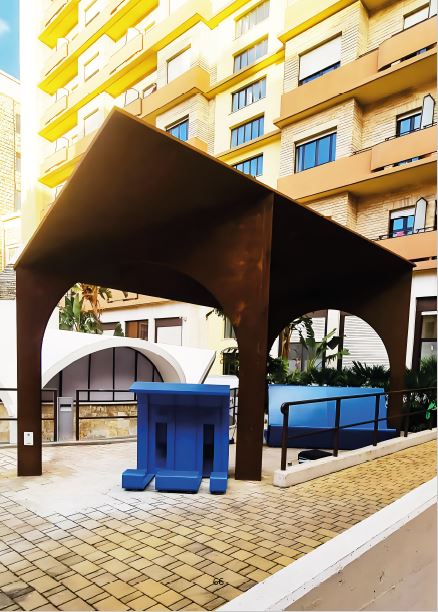
We have designed an electric bicycle charging point in the city of Bari. The proposal supports the values, the use of technological solutions and promotes sustainable practices.
The structure is located inside the ADISU Student House and the charging point represents the transition bridge towards an ecological culture.
The system is suitable for charging bicycles and electric wheelchairs, and allows those who want to stop temporarily to sit or rest.
CASE STUDY photovoltaic shelters
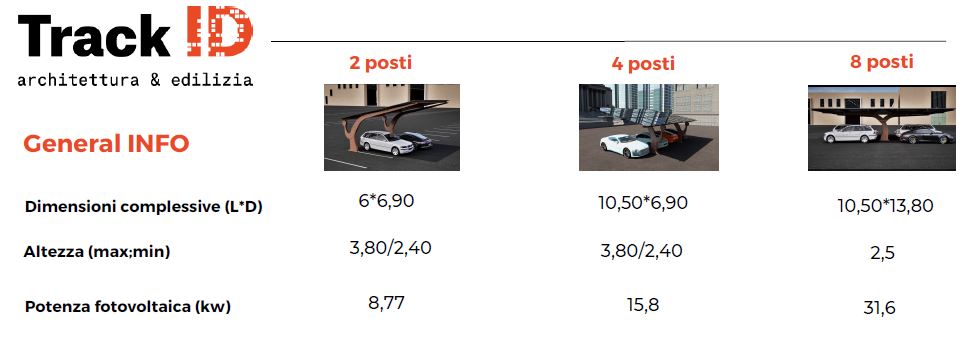
The photovoltaic shelter is a structure that acts as a roof and at the same time, being covered with photovoltaic panels, produces electricity and in combination with an energy storage system.
It is a system that is easy to install, requiring no special construction work (unless otherwise specified by the municipality) and its support elements can be easily adapted to any type of terrain.
ADVANTAGES
- energy production without compromising existing spaces;
- creation of a shaded area that can be used as a parking lot for vehicles;
- creation of a refreshment area in the garden sheltered from the sun;
- excellent architectural integration;
- excellent resistance to external agents;
- durability
SEQUOR model:
CONTACT US for advice, our technical office will be at your complete disposal for any doubts and concerns, to help you in the right choice of materials to use, ready to be there for the entire design phase.
 Italiano
 English
 Français
 Deutsch